
Healthcare Marketing Agency
Medical SEO, ads and websites that turn local searches into booked appointments.








Patients compare first.
57 Clicks is a healthcare marketing agency for clinics, medical practices and groups with more than one office. We help new patients find you, trust you and book.
Most people choose a provider from a phone screen: distance, hours, the plans you accept, reviews and a website that answers their question. Medical marketing is about winning that minute.
- Medical SEO and Google Maps
- A page for every service and provider
- Google Ads inside health ad policies
- Real photos and video of your team

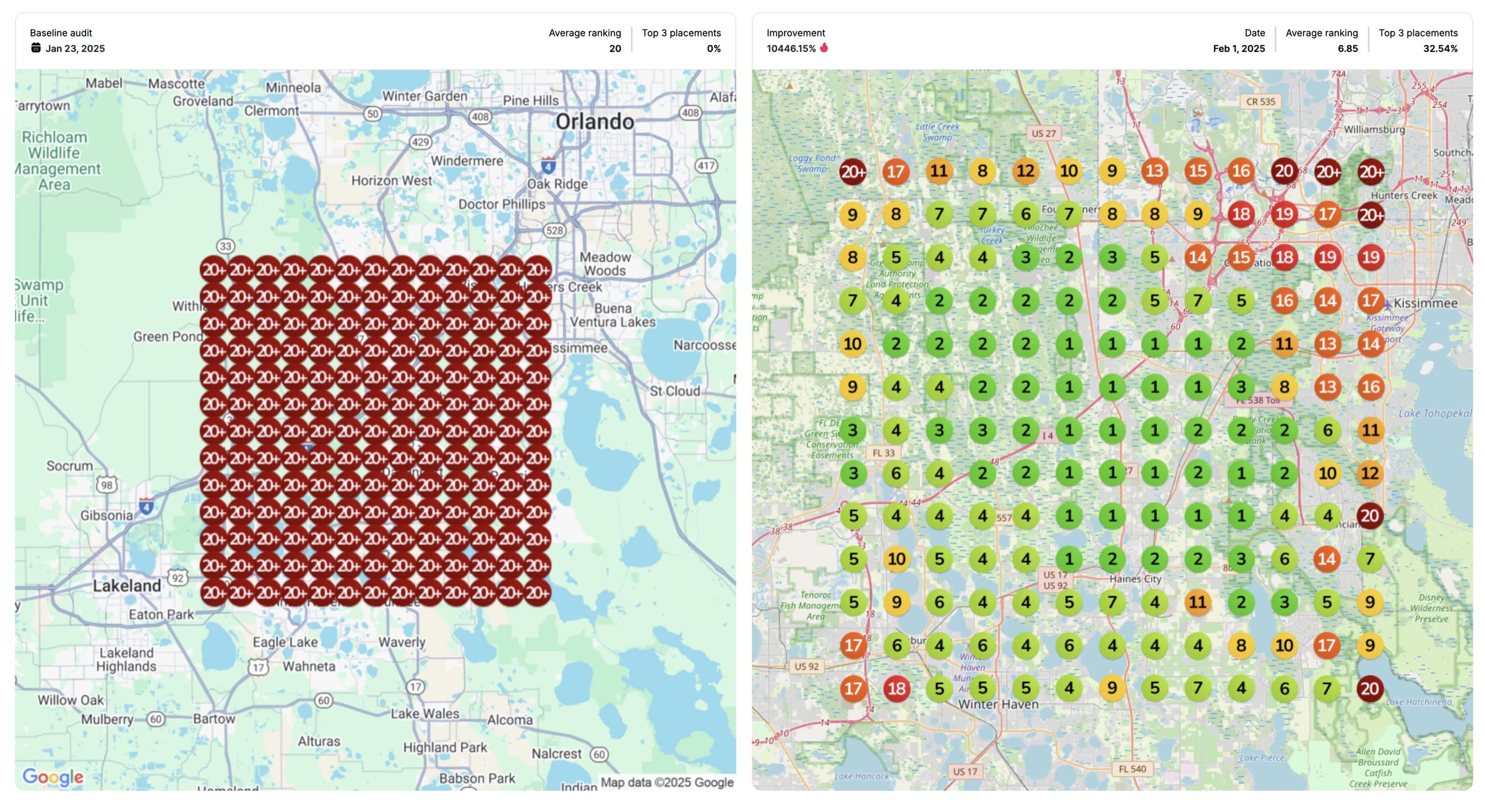
Proof, not promises.

Figures across every industry we serve. For a healthcare example, read our dental practice case study.
Six ways patients find you.
Medical SEO
Rank on Maps and Search for the services, conditions and towns you cover.

Practice Websites
Fast pages with providers, insurance, hours and online booking up front.

Google Ads
Appear today for walk-in, physical and new-patient searches in your area.

Meta Ads
Announce a new service or a new office to the community around it.

Social Media
Your team, your offices and practical health tips that build familiarity.
Video & Photo
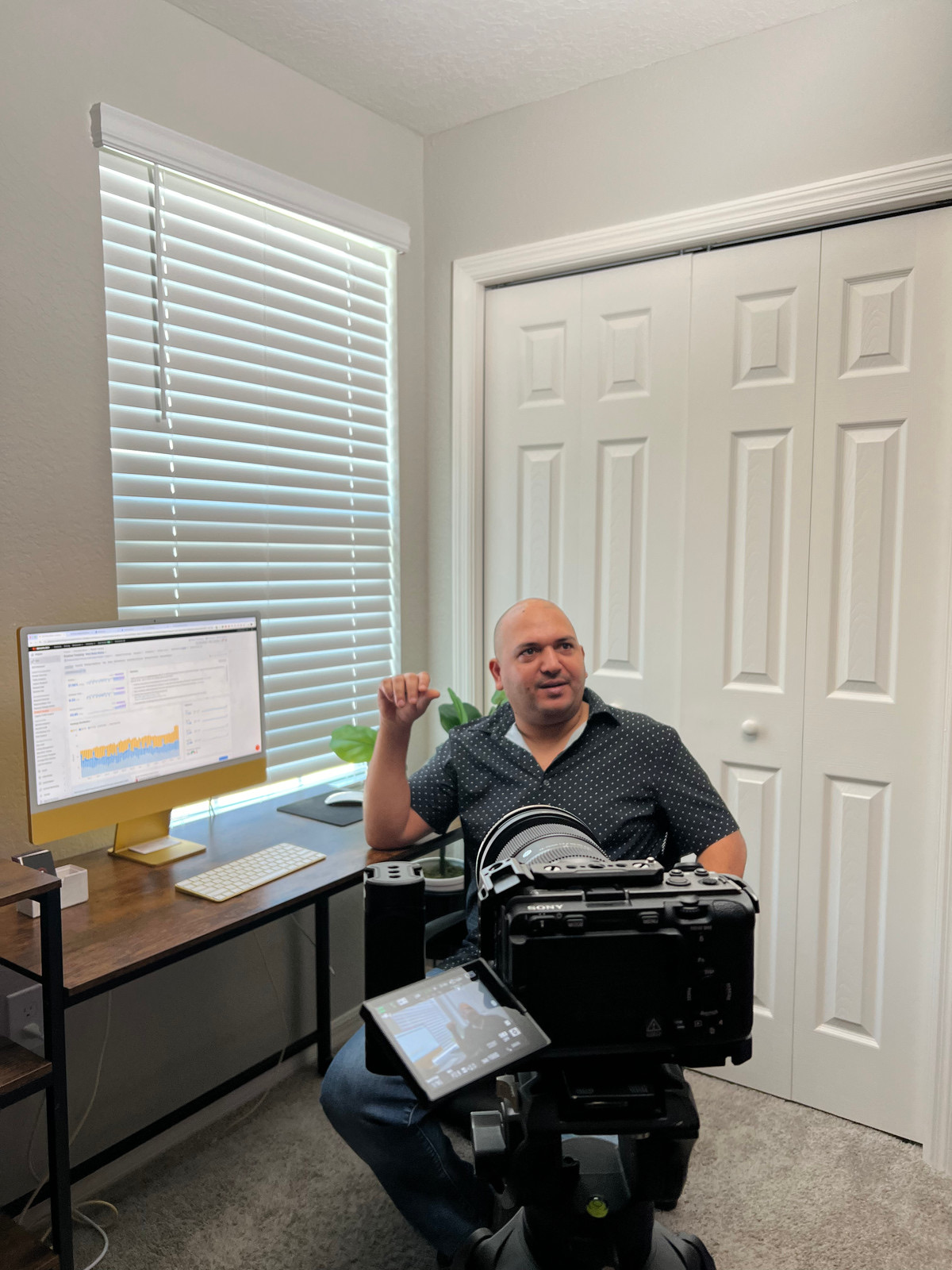
Provider introductions, office tours and real photos instead of stock.
SEO for healthcare practices.
Patients search by need: a sports physical, a sick visit, a pediatrician who takes their plan. Medical SEO gives each service, provider and office its own page and ties it to the right Google Business Profile.
- Primary and family medicine
- Pediatrics
- Urgent and walk-in care
- Specialty clinics
- Multi-location groups
Primary and family medicine
Families choose a practice for years, so they read more before they book: who the providers are, which plans you accept, whether same-day sick visits exist. Clear provider pages and an accurate profile for each office carry most of the weight.
Pediatrics
Parents search fast, on a phone, often after hours. Office hours, newborn visits, school and sports forms belong on the page, written the way parents ask the question.
Urgent and walk-in care
Here the map results decide. Open hours, a tap-to-call button and directions win the visit. Ads can cover the busiest hours or a new office while organic visibility builds.
Specialty clinics
Specialists serve two audiences: patients researching a condition and the providers who refer them. Condition pages, credentials and simple referral instructions serve both.
Multi-location groups
Each office needs its own verified profile, its own location page and the same name, address and phone everywhere. We build that structure so one office’s rankings never come at the expense of another’s.

Audit. Fix. Grow. Report.
Audit every office
Your Google profiles, your website and the practices that outrank you, location by location.
Fix the foundation
Listings, service and provider pages, site speed, and call and form tracking.
Grow demand
Content, ads and video aimed at the services you want more of, not just more traffic.
Report what matters
A monthly view of calls, appointment requests and the channel behind each one.
Where to start.
Most practices end up using both. The real question is which comes first.
| Your situation | Start with | Why |
|---|---|---|
| Opening a new office | Google Ads and a new profile | A brand-new listing needs time to rank; ads bring calls while it does |
| Steady flow of new patients | Medical SEO | Maps and organic results keep working without paying for each click |
| Launching a new service | Ads and a dedicated page | Puts the service in front of people searching for it this week |
| Profile looks thin or dated | Profile and photo work | Real photos and complete information make every other channel convert better |
Privacy built in.
Healthcare advertising has rules most industries never deal with. Google doesn’t allow ads personalized on health conditions, so we build campaigns on search intent, services and location instead.
Patient details stay out of everything we publish. No review reply confirms that someone is a patient, and no patient appears in a photo or video without written consent.
Ads that respect health policies
Google and Meta both limit how health advertisers can target and retarget people. Campaigns built on what someone searches and where they are stay inside those limits and still reach patients who are ready to book.
Review replies that protect patients
A good reply thanks the reviewer and invites them to call the office, without mentioning a visit, a treatment or a condition. That protects the patient and the practice.
Measurement without medical data
We count calls, appointment requests and bookings by channel. We don’t need anyone’s medical information to do it, and we don’t ask for it.

Clinics, practices and groups.
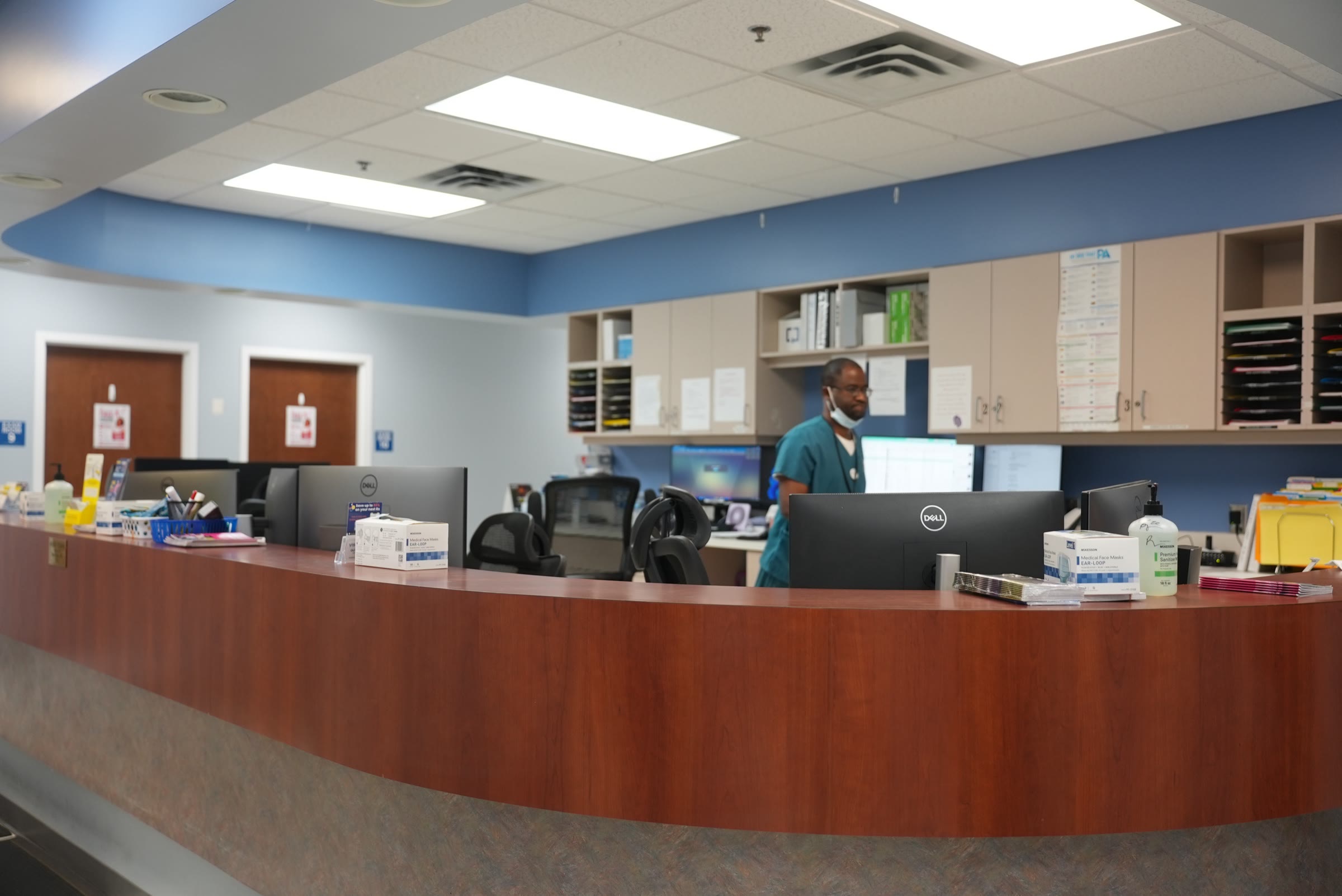
We work with a family medicine practice that has several offices in Orlando; the provider and front-desk photos on this page come from its offices. We also market dental practices in Florida and New Jersey, covered on our dental marketing page.
Practices outside Florida work with us remotely from our Orlando headquarters, with the same team, calls and monthly reports. Start with a strategy call.
Let’s Talk
Is your website costing patients?
A quick word from our team on what a website has to do before anyone books.

Let’s look at your practice.
A strategy call on each office’s Google profile, your website and the clinics around you.
It brings new patients to a practice and shows where each one came from. That means medical SEO, a Google Business Profile for every office, a website that books, paid ads that follow healthcare policies, and photo and video of your providers. Every call and appointment request is traced to its source, so budget decisions rest on numbers, not opinions.
Healthcare SEO, also called medical SEO, gets your practice in front of people who search for care nearby. It covers your Google Business Profile, a page for each service and provider, accurate listings, site speed and content that answers patient questions plainly. Health topics are held to a higher standard, so credentials and accuracy matter more than in most industries.
The strongest ones pair a service with a place, such as “pediatrician in Kissimmee”, “walk-in clinic Orlando” or “sports physical near me”. Add the conditions you treat and the insurance you accept, written the way patients say them. We check real search volume for your area first, so every page targets what people actually type.
Yes, within each platform’s healthcare policies. Google doesn’t allow ads personalized on health conditions, and some services, such as addiction treatment, need certification before they can run. Meta limits health-related targeting as well. Campaigns built on search intent, services and location work well inside those rules and reach people ready to book.
It depends on how many offices you have, how competitive your specialty is locally, how many new patients you can take each month and whether paid ads are part of the plan. A single office focused on SEO needs far less than a group opening new locations. The strategy call gives you a plan sized to your goals.
Each office is treated as its own local business: a verified Google profile, its own location page, reviews answered by the team and the same name, address and phone everywhere. Shared service and provider pages link to every office. Reports show each location on its own, so you can see which one needs attention.
Yes, with your providers in the loop. We write service, condition and provider pages in plain language, and a clinician on your side reviews anything medical before it goes live. That keeps the content accurate, which matters to patients and to search engines alike.
Let’s fill your appointment book.
Month-to-month. No long-term contracts.
Call (407) 974-6620