
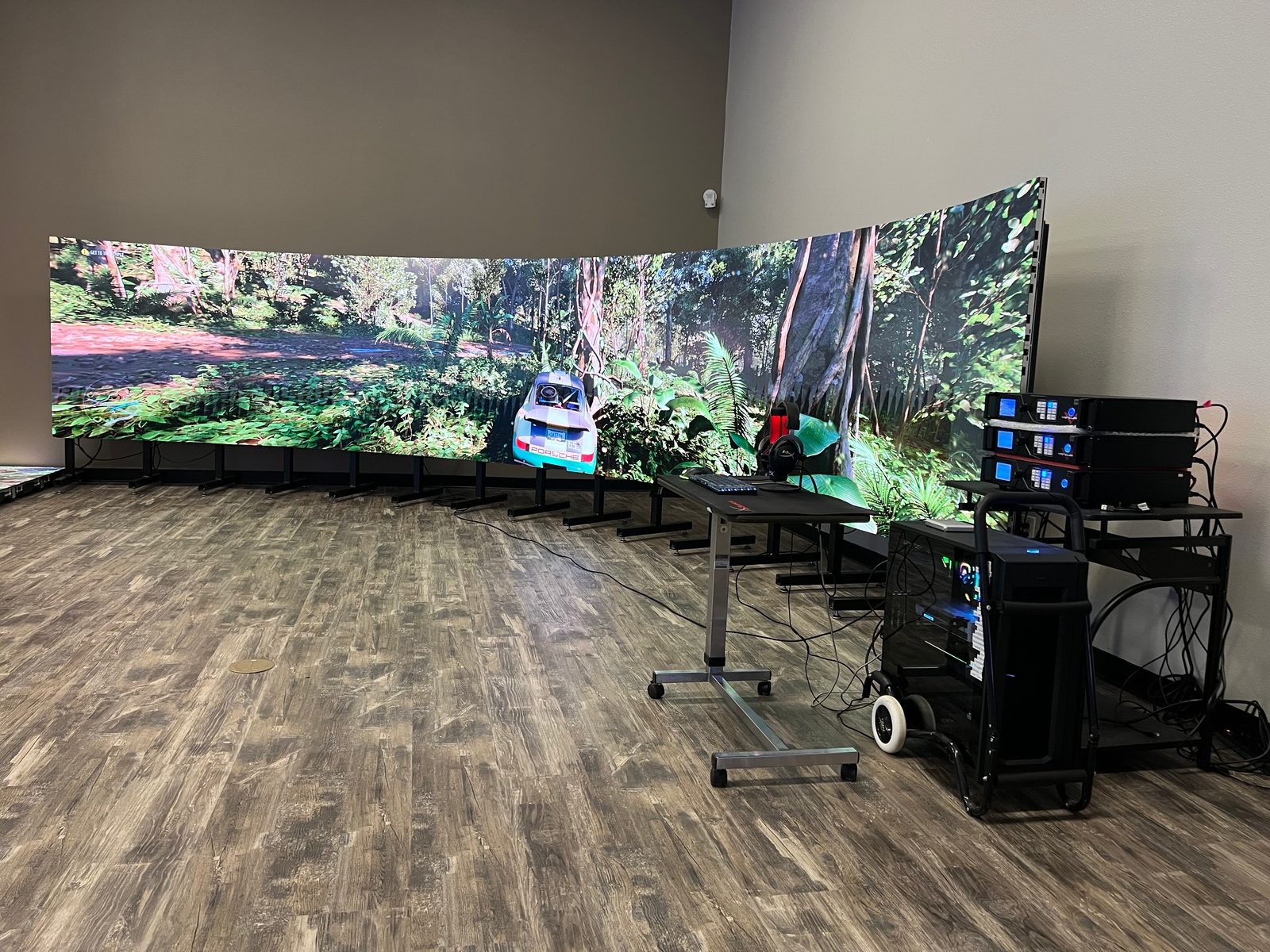
Manufacturing Marketing and SEO
For manufacturers and distributors who need qualified quote requests, not just website traffic.







Built for long sales cycles.
57 Clicks plans and runs manufacturing marketing for companies that sell to other businesses: manufacturers, importers and distributors of equipment and technical products.
Your buyer rarely calls first. An engineer, a purchasing manager or an owner researches for weeks, compares spec sheets and asks two or three suppliers for a quote. We make sure you are one of them.
- SEO for manufacturers and distributors
- Product and application pages with real specs
- Google Ads, Shopping and Meta lead forms
- Product video, photo and trade show content
Products we’ve marketed.
Four companies that sell to other businesses. Different products, same challenge: being found and trusted by a buyer who compares everything.
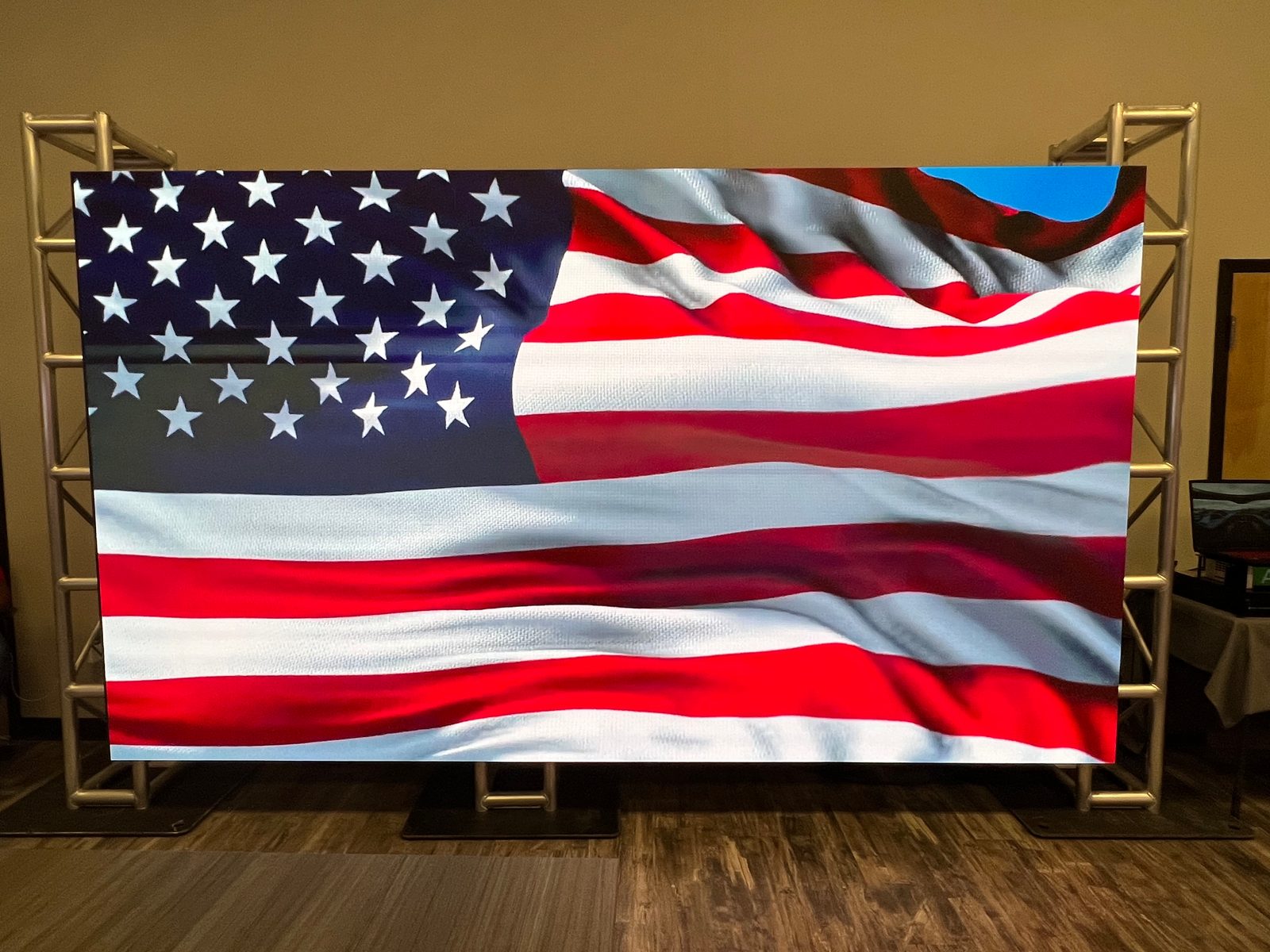
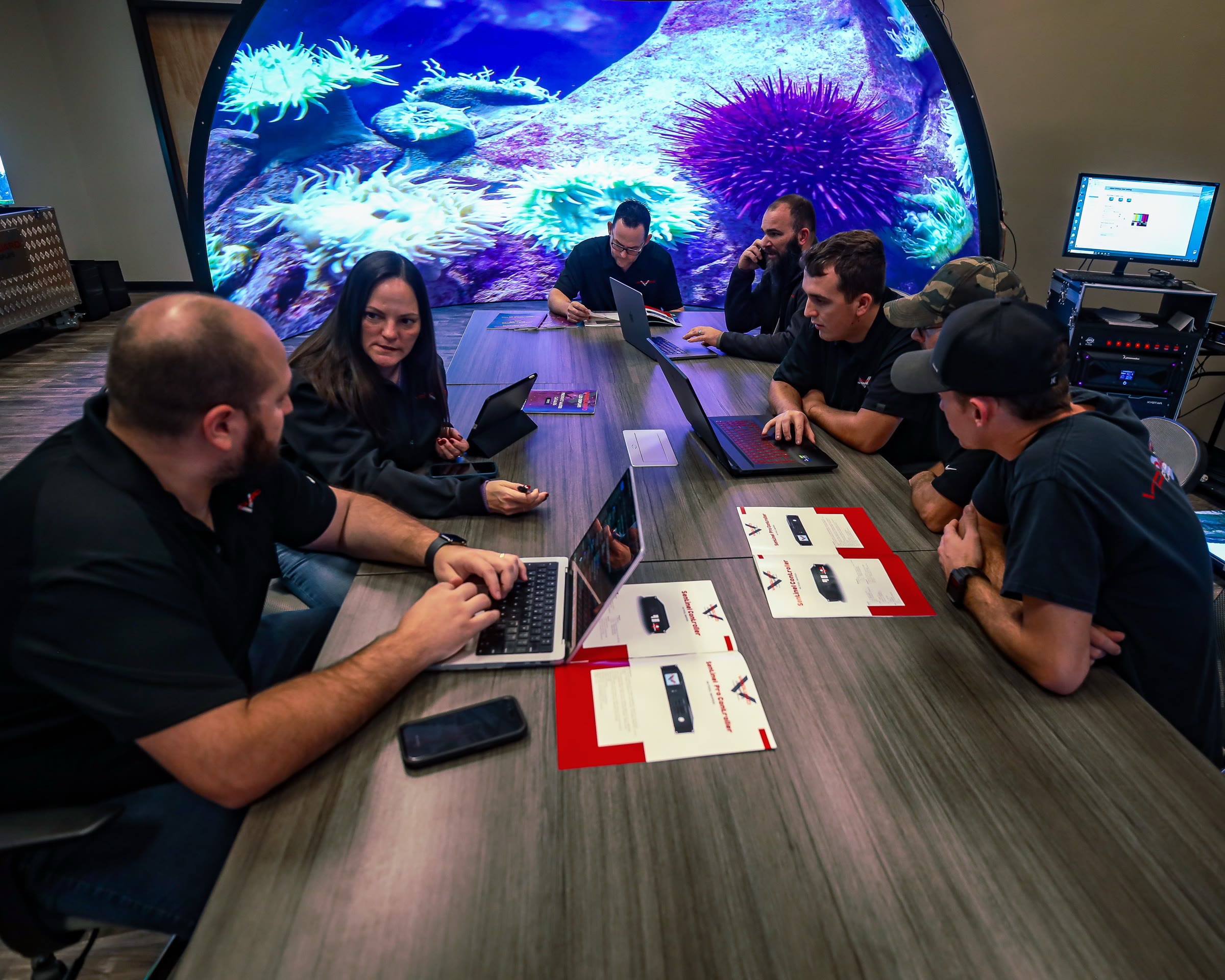
LED video walls
LED video walls and broadcast displays. Website, product video and photo, and SEO that put tracked keywords in Google’s top 3, and #1 in Florida.
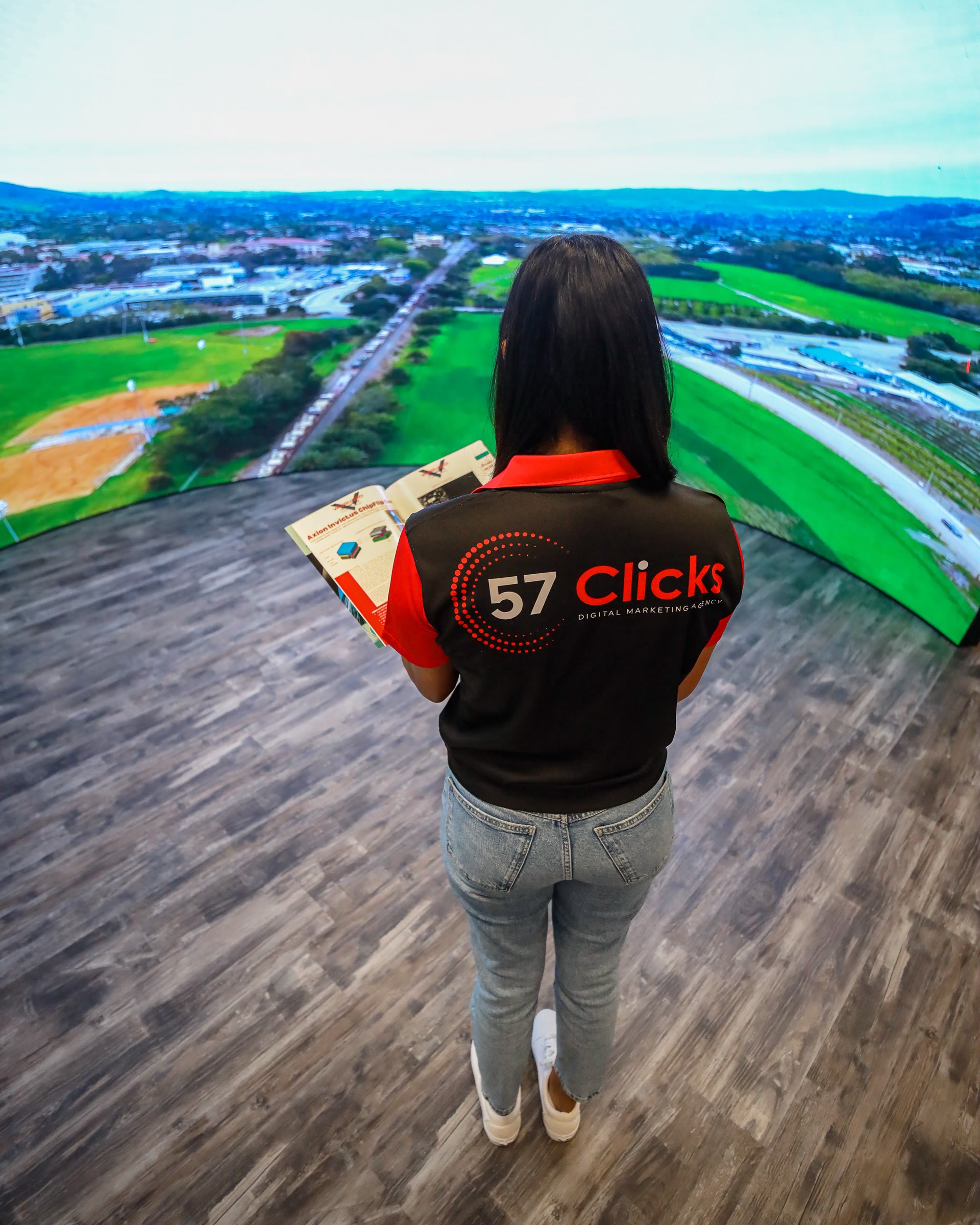
Holographic displays
See-through LED screens for retail and events. In year one: #1 for a key supplier search and #4 for “transparent LED displays”.

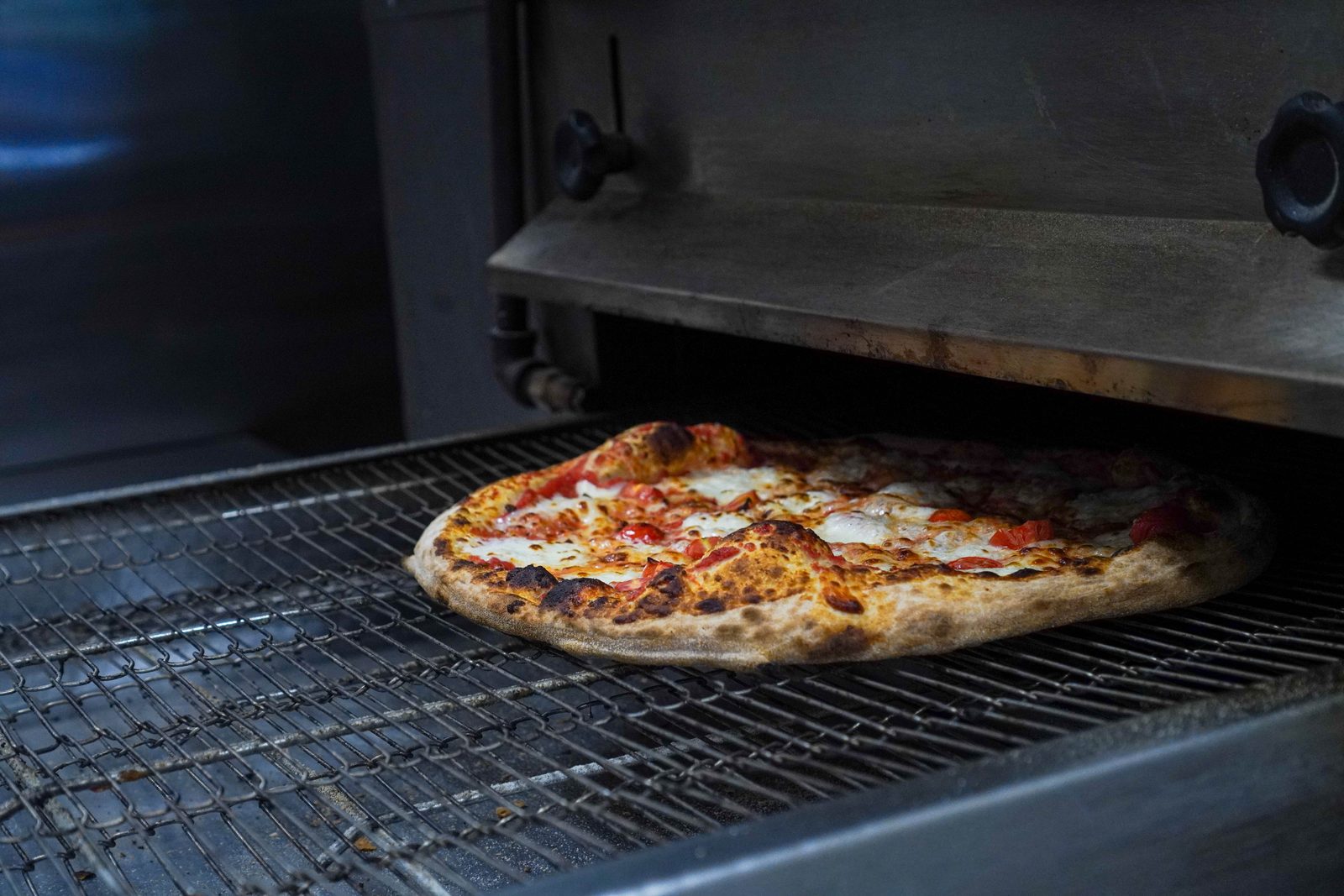
Commercial pizza ovens
Professional ovens for pizzerias, sold and rented. Search, Shopping and Meta lead campaigns, plus photo and video shoots.
Rankings with a source.
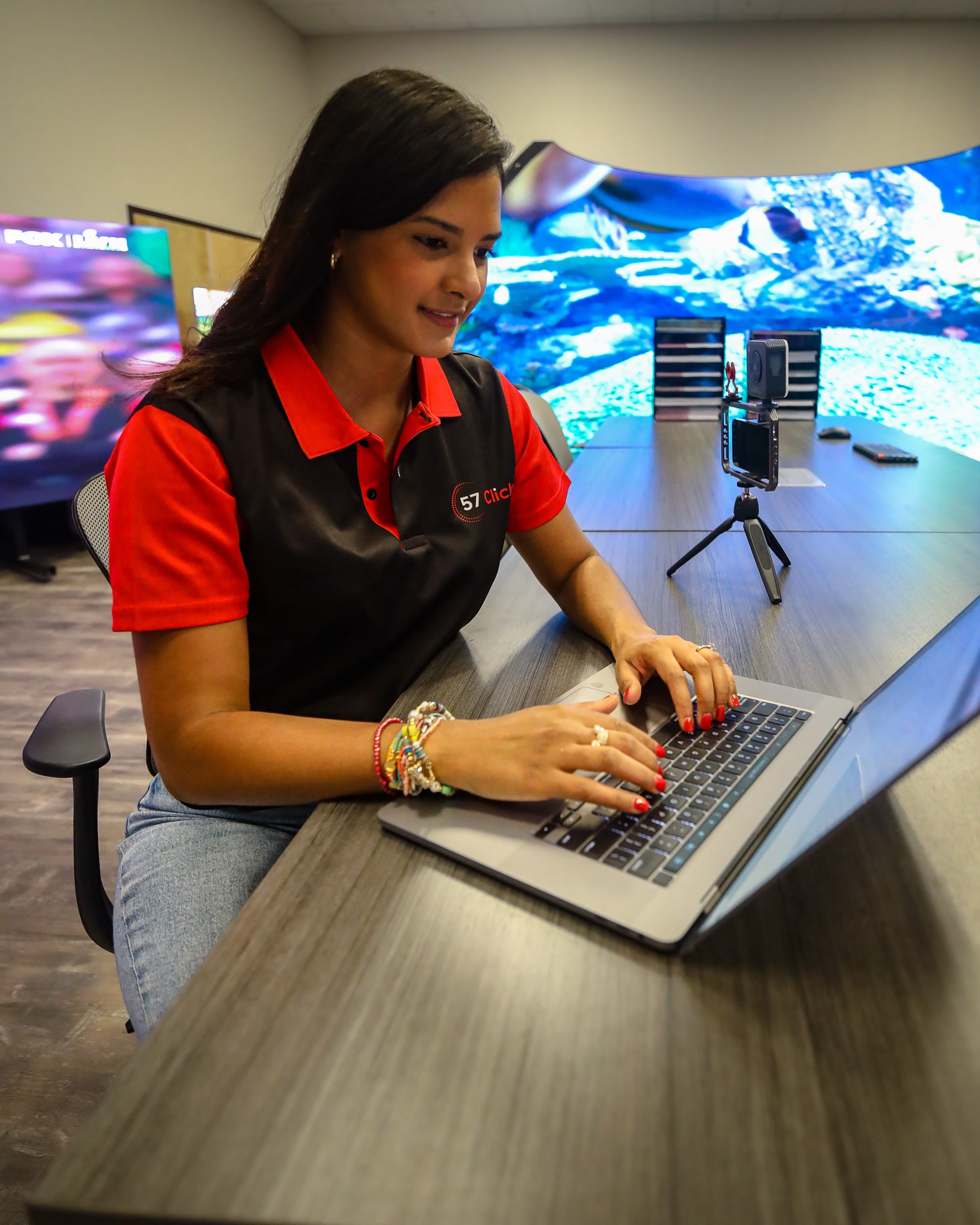
Year-one figures for a transparent LED display brand, from its annual SEO report (November 2024), tracked on Google in the United States.
B2B SEO: rank for the spec.
Industrial buyers search the way they write a purchase order: product type, size, material, standard, application. B2B SEO means building a page that answers each of those searches better than a reseller’s catalog does.
- Product category and model pages
- Application and industry pages
- Spec sheets Google can read
- Comparison and FAQ content
- Dealer and distributor pages
Product and category pages
Each product line gets its own page with the details buyers filter by: dimensions, capacity, power, finishes, certifications and lead times. A single “Products” page with a PDF link ranks for almost nothing.
Application pages
Buyers often search for the job, not the product: a display for a storefront window, an oven for a mobile kitchen. Application pages connect your product to the problem and capture searches your competitors never target.
Spec sheets and catalogs
PDF catalogs help after the first visit, but search engines and AI assistants read web pages far better. We turn the key data from your catalog into pages and keep the download for the buyer who wants it.
Choosing B2B SEO keywords
Industrial searches are small, and that is fine. A term only a few dozen people type each month can still carry a large order when the right buyer types it. We pick keywords by intent and order value, not by volume alone.
Technical SEO for large catalogs
Big catalogs create duplicate pages, slow filters and thin product variants. We clean up crawl paths, structured data and internal links so the pages that matter are the ones Google indexes.

Search to purchase order.

Problem search
A buyer looks up a product type or an application. Your page answers with specs, photos and use cases.
Shortlist
Two or three suppliers are compared on data, certifications, lead times and support. Clear pages make the cut.
Quote request
A short form asks for quantity, application, location and timeline. Sales gets context, not just a name.
Follow-up
Ads and email keep you in front of the buying committee while the order is approved.
Repeat orders
Customers and dealers come back for parts, consumables and the next model.
Industrial marketing, channel by channel.
Industrial marketing is a mix, not a single channel. This is how the work usually splits.
| Channel | Best for | What we measure |
|---|---|---|
| SEO for manufacturers | Product, model and application searches | Quote requests and calls from organic search |
| Google Ads and Shopping | Buyers ready to compare and price | Forms, calls and product clicks by campaign |
| Meta Ads lead forms | Owners of the businesses you sell to | Leads by form, then qualified by your team |
| Video and photo | Demos, installs and trade show booths | Views on the pages that ask for a quote |
| Website | Turning research into a quote request | Quote form completions by page |
Each channel gets its own tracking, so you see which one produced each request.
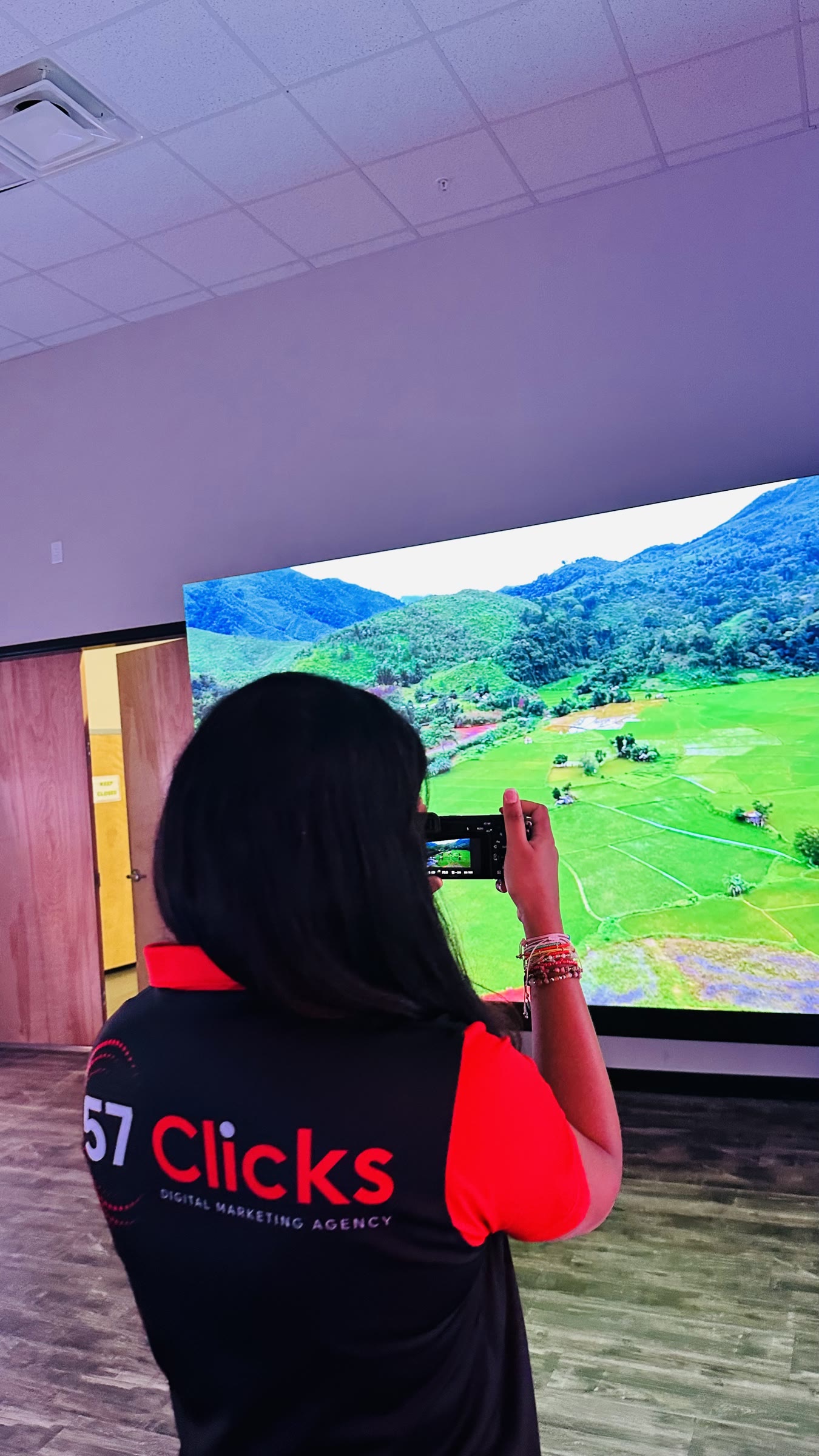
The booth is the start.
A trade show fills a stack of business cards in a few days. Most of those conversations go cold within weeks, because nobody follows up with something useful.
We build the marketing around the show: booth video, a page for the people you met and remarketing ads that keep your company on their screens until the order is ready.
- Pre-show ads to the right companies
- Booth photo and video
- A follow-up page for show contacts
- Remarketing after the show
Show the machine working.
Technical buyers trust what they can see. Our team, in under thirty seconds, on why video sells.
Products worth a close look.
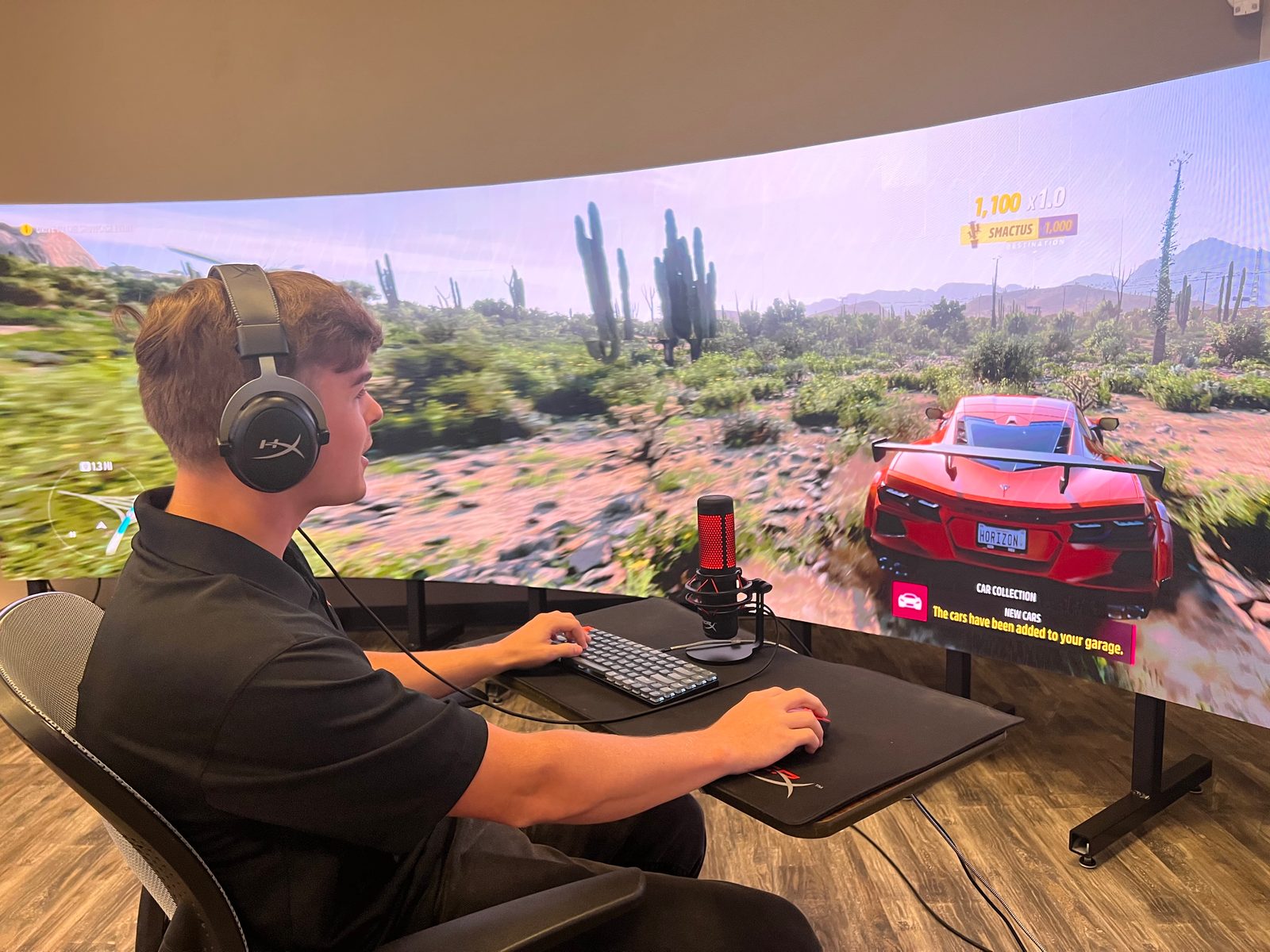
Real products from our industrial clients: LED walls, simulators and commercial ovens.
Found in AI answers, too.
Buyers increasingly ask ChatGPT, Gemini or Google’s AI to shortlist suppliers. Those answers are built from pages that state plainly what you make, for whom and to what standard.
We work with manufacturers and distributors across the United States from our Orlando headquarters, with video production and web design in house. See every industry we serve.
Let’s Talk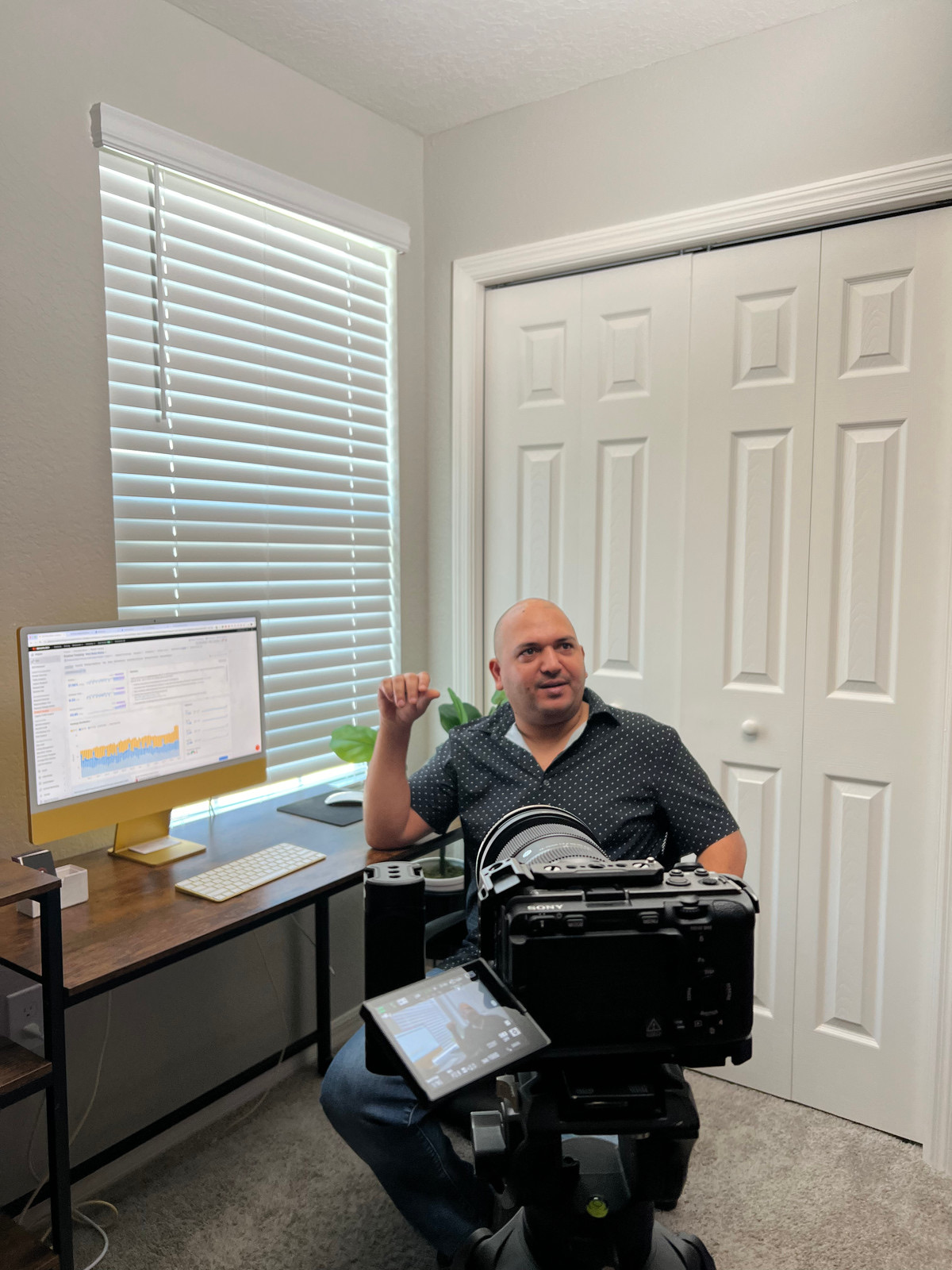
More quote requests. Better ones.
We’ll review your product pages, your site and the searches your buyers actually use.
Manufacturing marketing is everything that helps a manufacturer get found, trusted and asked for a quote by the businesses that buy its products. It usually combines SEO, product and application pages, paid search, trade show follow-up and video. It is built for long sales cycles, several decision makers and customers who reorder for years.
Industrial marketing sells products, equipment or parts to other businesses instead of consumers. Commercial pizza ovens sold to pizzerias and LED displays sold to broadcasters and retailers are two industrial markets we’ve worked in. The buyers are specialists, they compare specifications, and a purchase often needs more than one approval.
B2B SEO is search optimization aimed at business buyers. It targets fewer, more specific searches: product categories, model numbers, materials, standards and applications. Success is measured in quote requests and sales conversations, not raw traffic. Because one order can be worth a lot, a page that ranks for a small, precise search can be one of your most valuable.
Yes, when it targets what buyers actually type and the site gives them the data they need to shortlist you. B2B search volumes are smaller, so results build over months, not weeks. Many manufacturers pair SEO with Google Ads at the start, then lean more on organic search as product and application pages begin to rank.
It depends on scope: how many product lines and markets you sell into, whether the website needs a rebuild, how much video you need and which ad channels you run. Ad spend is a separate budget paid to the platforms. We work month to month, and the strategy call ends with a clear scope for your situation.
It can help draft and research, but it can’t audit your site, fix technical problems or know your real specs, certifications and lead times. AI assistants also build their answers from pages they can read, so clear product pages make you easier to recommend. That is the work behind our AI SEO service.
By filtering before the lead reaches you. Quote forms ask for quantity, application and timeline. Ads exclude consumer searches: for a pizza oven importer we blocked recipe, dough and home-cooking terms from its Shopping campaign. Every form and call is tracked to its campaign, so you see which channel brings buyers, not browsers.
If your buyers attend them, yes. Digital work makes the show pay off: ads before the event to the right companies, booth video you reuse all year, a follow-up page for the contacts you met and remarketing afterward. The show starts the conversation; the follow-up decides who gets the order.